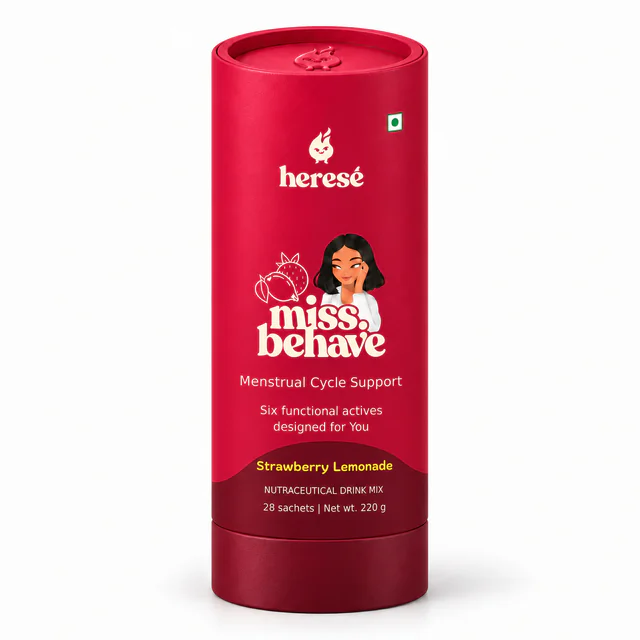
miss.behave is under development. Get launch updates. 28 sachets per pack. One sachet a day. Daily care, easy to carry. miss.behave is under development. Get launch updates. 28 sachets per pack. One sachet a day. Daily care, easy to carry.

Search Heresé

HERESÉ / INGREDIENTS EXPLAINED

Six actives. Each with a purpose.

Meet magnesium, L-theanine, ginger, shatavari, zinc and vitamin B6. Learn what each contributes and why we chose it.

MEET YOUR LINE-UP

Six actives.
One little sachet.

Red Heresé miss.behave cylinder with 28 sachets and a net weight of 220 g

POWDER SACHET
MIX WITH WATER

01Mineral

Magnesium bisglycinate
Blue magnesium element graphic with a white Mg symbol and Magnesium label.

Muscles and cramps

An essential mineral for normal muscle and nerve function, energy production and everyday nutritional support.

02Amino acid
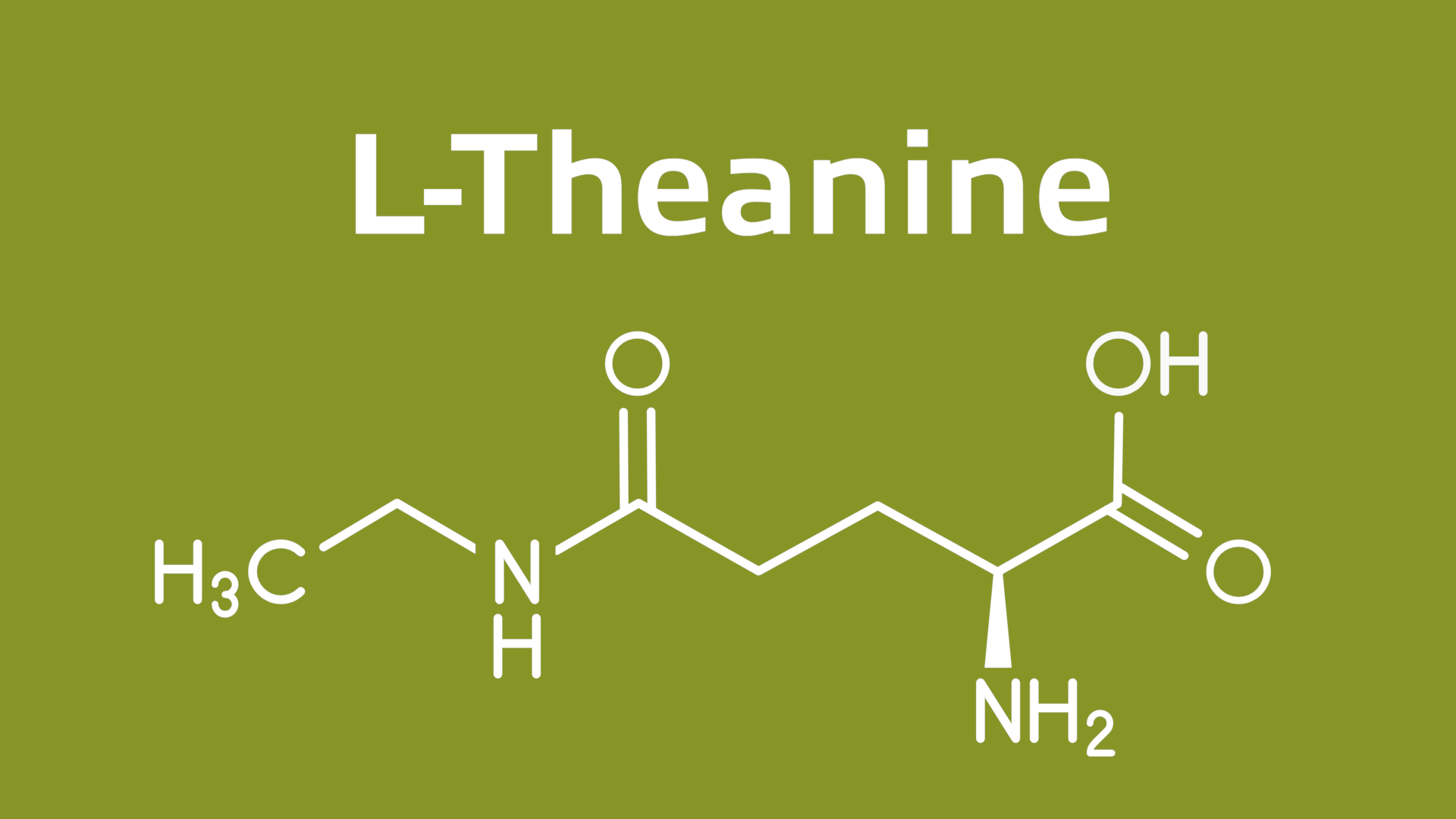
L-Theanine

White L-theanine molecular-structure illustration on an olive-green background.

Stress and sleep

A tea-derived amino acid studied for everyday stress responses and aspects of sleep quality.

03Botanical

Ginger extract

Illustration of whole and sliced ginger rhizomes on a white background.

Menstrual discomfort

A familiar root containing gingerols, chosen for the research into ginger preparations and menstrual discomfort.

04Botanical

Shatavari extract

Close-up reference photograph of a cluster of shatavari roots against a pale-yellow background.

Ayurvedic women’s wellness

A traditional Ayurvedic root, now studied in human trials of specific extracts for women’s wellbeing.

05Mineral
Zinc gluconate

Black-and-white zinc element graphic with the symbol Zn and atomic number 30 over white tablets.

Menstrual-comfort research

An essential mineral that supports normal immune function and helps cells make DNA and proteins.

06Vitamin

Vitamin B6

Vitamin B6 illustration with a pink shield and an orange-and-pink capsule outline.

Mood and nervous-system support

Vitamin B6 contributes to the regulation of normal hormonal activity and supports normal nervous-system function.

Select “Know more” to read each ingredient’s role, why we chose it and the linked research.

Ingredient guide
Blue magnesium element graphic with a white Mg symbol and Magnesium label.

01 / Mineral

Magnesium bisglycinate

Muscles and cramps

An essential mineral for normal muscle and nerve function, energy production and everyday nutritional support.

What is it?

Magnesium is an essential mineral. In magnesium bisglycinate, it is paired with two glycinate ions.

Why is it here?

We chose magnesium for the everyday muscle, nerve and energy-related functions your body relies on throughout the month.

What it contributes

It supports normal muscle and nerve function, helps release energy from food and contributes to bone health.

Magnesium’s role in muscle and nerve function makes it relevant to research on period cramps and premenstrual symptoms. Studies have explored cramp severity, tension, mood and water retention using different magnesium preparations, sometimes combined with B6. It brings this everyday nutritional foundation to our daily blend.

How does it work?

Magnesium helps muscles and nerves communicate and supports the reactions your cells use to produce energy.

Explore the science

It supports calcium and potassium movement across cell membranes, important for nerve signals and muscle contraction. Magnesium also participates in ATP-related reactions: ATP is the energy-carrying molecule cells use.

Calcium signalling helps control muscle contraction. Researchers have explored magnesium’s interaction with calcium and prostaglandins, including PGF2α, in menstrual-comfort studies. These proposed pathways sit alongside clinical symptom measurements. Digestive tolerance varies with the form, quantity and person; the research uses specified preparations.

What did researchers find?

NIH describes magnesium’s established nutritional roles. A separate crossover trial in 44 women with mild premenstrual symptoms tested 200 mg/day magnesium as oxide plus 50 mg/day vitamin B6 for one cycle per treatment. A targeted analysis found a small improvement in anxiety-related symptoms with the combination.

Before you use it.

Check the elemental magnesium amount on the final label. If you have kidney disease or take medicines such as antibiotics, ask a clinician or pharmacist about suitability.

Research references describe individual ingredients and the preparations studied. Study quantities are research details; follow the final miss.behave label for product directions.

Ingredient guide
White L-theanine molecular-structure illustration on an olive-green background.

02 / Amino acid

L-Theanine

Stress and sleep

A tea-derived amino acid studied for everyday stress responses and aspects of sleep quality.

What is it?

L-theanine is an amino acid naturally found in tea leaves, separate from caffeine.

Why is it here?

We include L-theanine to give the mental side of daily wellbeing a place alongside the blend’s nutritional roles.

What it contributes

Clinical research has explored stress-related symptoms and aspects of sleep quality.

Period discomfort can come alongside feeling tense and having trouble resting. L-theanine research focuses on stress responses and sleep quality: the headspace and rest side of wellbeing. We include it to address this part of a daily routine alongside the blend’s nutritional roles.

How does it work?

Researchers study how L-theanine influences brain signalling involved in stress responses and sleep.

Explore the science

Its structure resembles glutamate, a brain-signalling molecule. Receptor interactions are a proposed mechanism, informed by experimental research; the human trial assessed symptoms and cognitive tests.

The Hidese trial focused on stress and sleep measures in healthy adults. This provides context for the mental side of wellbeing, with pain experience an indirect theme. Proposed brain-signalling mechanisms involve glutamate receptors; experimental pathways and clinical symptom measurements are different levels of research.

What did researchers find?

A 2019 double-blind crossover trial in 30 healthy adults tested 200 mg/day for four weeks. Some sleep-quality subscales improved versus placebo; stress-related scores also improved from baseline during L-theanine use. Participants were adults with non-clinical symptoms.

Before you use it.

If pregnant, breastfeeding or taking regular medicines, check supplement suitability with your clinician.

Research references describe individual ingredients and the preparations studied. Study quantities are research details; follow the final miss.behave label for product directions.

Ingredient guide
Illustration of whole and sliced ginger rhizomes on a white background.

03 / Botanical

Ginger extract

Menstrual discomfort

A familiar root containing gingerols, chosen for the research into ginger preparations and menstrual discomfort.

What is it?

Ginger is the rhizome of Zingiber officinale. Extracts concentrate selected plant compounds, including gingerols.

Why is it here?

We chose ginger to bring a botanical studied specifically for menstrual discomfort into our daily blend.

What it contributes

Human trials of ginger preparations have reported improvements in menstrual-pain severity.

Ginger research connects plant compounds with menstrual comfort. A 2015 systematic review examined ginger powder taken around the first days of menstruation; trial quantities ranged from 750–2000 mg/day. Preparation matters when reading the findings: powdered root and standardized extracts have different compositions, even though both come from ginger.

How does it work?

Ginger’s plant compounds are studied for how they interact with pathways involved in inflammation and discomfort.

Explore the science

In a laboratory enzyme study, isolated 10-gingerol and two shogaols inhibited COX-2, an enzyme involved in prostaglandin production. This was experimental compound research, distinct from the clinical trial of ginger root powder.

Laboratory research explores gingerols and shogaols in COX and LOX pathways involved in inflammatory signalling. A 2009 trial compared 1 g/day root powder with mefenamic acid and ibuprofen for three days. Separate clinical research studied a particular extract for pregnancy-related nausea, a different population and use.

What did researchers find?

A 2012 placebo-controlled trial enrolled 120 university students with moderate or severe primary dysmenorrhea. It tested 500 mg ginger root powder three times daily, either from two days before menstruation through its first three days, or for those first three days only. Pain severity improved versus placebo in both protocols; pain duration improved in the five-day protocol.

Before you use it.

Persistent, severe or newly worsening period pain deserves medical assessment. Follow prescribed care and ask your clinician about supplement suitability.

Research references describe individual ingredients and the preparations studied. Study quantities are research details; follow the final miss.behave label for product directions.

Ingredient guide
Close-up reference photograph of a cluster of shatavari roots against a pale-yellow background.

04 / Botanical

Shatavari extract

Ayurvedic women’s wellness

A traditional Ayurvedic root, now studied in human trials of specific extracts for women’s wellbeing.

What is it?

Shatavari is Asparagus racemosus, a plant whose roots have a long history in Ayurvedic women’s care. We use a root extract.

Why is it here?

Shatavari connects our formula with Ayurveda’s tradition of women’s care, alongside five other actives in one convenient daily routine.

What it contributes

Human research has explored menopausal symptoms, perceived stress, sleep and quality of life with specific root extracts.

Traditional Ayurvedic descriptions include uterine support and women’s reproductive wellbeing. Experimental literature also examines antispasmodic, inflammation-related and antioxidant activity. This provides traditional and biological background; the modern human trials linked here followed specific root extracts in women experiencing perimenopausal and menopausal symptoms.

How does it work?

Its root contains bioactive plant compounds that researchers study in relation to women’s wellbeing.

Explore the science

The perimenopause trial tracked symptom scales and blood hormone measures over eight weeks. Researchers discuss possible estrogen-related and stress-response pathways; understanding the precise mechanisms remains an active area of study.

The 2013 review describes shatavarins, a group of steroidal saponins, and findings from isolated-tissue and animal experiments, including uterine contractility. More recent placebo-controlled trials used specified root extracts and measured symptoms, perceived stress, sleep or quality of life in peri/menopausal populations: distinct research settings with different questions.

What did researchers find?

An eight-week placebo-controlled trial in 80 perimenopausal women studied 300 mg/day standardized root extract, reporting improved menopausal-symptom and perceived-stress scores. A separate trial in 70 women with menopausal symptoms tested 250 mg root extract twice daily for 60 days and reported improvements in symptoms and quality of life.

Before you use it.

If pregnant, breastfeeding, living with a hormone-sensitive condition or taking regular medicines, discuss botanical supplements with your clinician before use.

Research references describe individual ingredients and the preparations studied. Study quantities are research details; follow the final miss.behave label for product directions.

Ingredient guide
Black-and-white zinc element graphic with the symbol Zn and atomic number 30 over white tablets.

05 / Mineral

Zinc gluconate

Menstrual-comfort research

An essential mineral that supports normal immune function and helps cells make DNA and proteins.

What is it?

Zinc is an essential mineral used throughout the body. Zinc gluconate is a form used to supply zinc in supplements.

Why is it here?

We chose zinc for the everyday cellular and immune processes that contribute to your overall wellbeing.

What it contributes

It supports normal immune function, protein and DNA production, wound healing and cell division.

Alongside zinc’s everyday immune and cellular roles, clinical researchers have studied menstrual discomfort. A 2023 trial randomized 103 high-school students to 40 mg zinc sulphate or placebo over three cycles. Pain scores were lower with zinc in cycles two and three. The preparation studied was zinc sulphate; our ingredient is zinc gluconate.

How does it work?

Zinc helps enzymes do their work and supports the making of proteins and DNA, which cells need to maintain and renew themselves.

Explore the science

Zinc contributes to hundreds of enzymes, immune-cell activity and cell signalling. Nutritional amounts refer to elemental zinc; that is different from the weight of zinc gluconate or zinc sulphate.

Researchers discuss prostaglandin-related and antioxidant pathways as possible explanations for zinc’s menstrual-comfort findings. The 2023 trial measured pain, nausea and vomiting, and use of extra pain medicine. Its results concern pain experience; menstrual blood loss was not an outcome. Compound weight and elemental zinc are also distinct quantities.

What did researchers find?

NIH describes zinc’s established nutritional roles. A 2015 placebo-controlled trial in 120 adolescent girls with primary dysmenorrhea studied capsules described as 50 mg/day zinc sulphate during menstruation over three months. Pain duration improved in month one; both severity and duration improved versus placebo in months two and three.

Before you use it.

Check elemental zinc on the final label. Avoid combining several zinc supplements without advice: excess zinc can affect copper levels and interact with some antibiotics.

Research references describe individual ingredients and the preparations studied. Study quantities are research details; follow the final miss.behave label for product directions.

Ingredient guide
Vitamin B6 illustration with a pink shield and an orange-and-pink capsule outline.

06 / Vitamin

Vitamin B6

Mood and nervous-system support

Vitamin B6 contributes to the regulation of normal hormonal activity and supports normal nervous-system function.

What is it?

Vitamin B6 is a water-soluble vitamin involved in enzyme reactions, protein metabolism and neurotransmitter production.

Why is it here?

We chose B6 for its recognized contribution to normal hormonal activity and everyday nervous-system roles, completing our six-active line-up.

What it contributes

It contributes to normal hormonal activity, nervous-system function, protein and glycogen metabolism, and red blood cell formation.

Vitamin B6 helps your body make brain messengers involved in mood and nerve signalling. This is why it appears in research on premenstrual mood symptoms, including irritability and anxiety. It also contributes to normal hormonal activity, bringing everyday nutritional and nervous-system roles to the formula.

How does it work?

Your body converts B6 into helper molecules that enzymes use for protein metabolism and the production of nerve-signalling chemicals.

Explore the science

An active form called PLP helps enzymes build neurotransmitters and participates in hormone action. EFSA’s assessment describes B6’s role in regulating hormonal activity as normal nutritional physiology.

B6’s active coenzyme forms help enzymes produce serotonin, dopamine and GABA. PMS trials have studied B6 alone or with magnesium at specified supplement quantities, measuring symptom scores across menstrual cycles. These studies sit alongside B6’s established physiological roles in hormone action, metabolism and the nervous system.

What did researchers find?

EFSA’s scientific assessment supports B6’s contribution to the regulation of normal hormonal activity, nervous-system function and red blood cell formation. NIH explains its involvement in more than 100 enzyme reactions and the production of neurotransmitters. These are established nutritional functions.

Before you use it.

Check total vitamin B6 intake when combining supplements and follow the final product label. Excessive supplemental B6 over time can harm nerves.

Research references describe individual ingredients and the preparations studied. Study quantities are research details; follow the final miss.behave label for product directions.

HELP SHAPE MISS.BEHAVE

We’re still building.
Your perspective matters.

No name or email needed. This won’t sign you up for launch updates.